

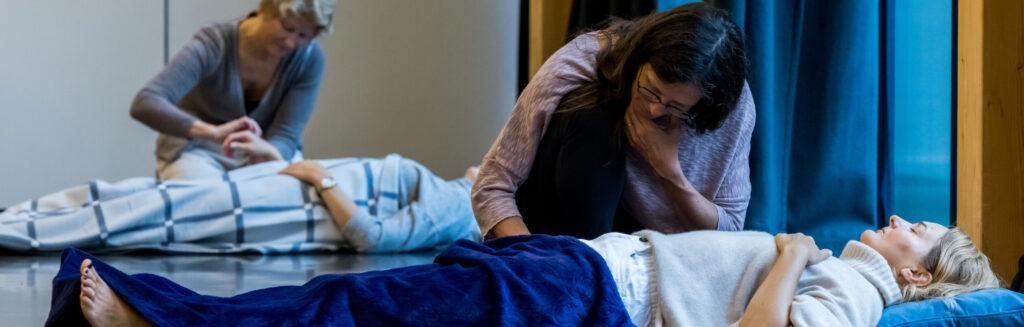
“Biorelease massage works like hydrogen peroxide, gently clearing away the ‘residue’ of unnecessary thoughts, allowing you to gradually, step by step, return to your own body — to a space of self-reflection where you can hear yourself anew.”
What is biodynamic body psychotherapy?
Biorelease massage (also called a biorelease session) is like the first stop on the journey of body psychotherapy. This is where the introduction happens, and a deeper connection is formed — between client and therapist, and between the client and their own body. In this way, by observing and recognizing, the client also discovers deeper needs for their presence (in therapy). Body therapy is deep, multi-layered, and full of mysteries, which is why a Biorelease session is a wonderful start to this journey.
Biorelease is a method whose name essentially means “biological release”. This practice is based on the psychological principles developed by G. Boyesen and W. Reich, and pursues one central goal: to activate the subtle organic signals of the body that are naturally available to every person. In order to hear them and be guided by the information they send, it is necessary to form a closer connection with one’s own body. This is achieved through touch, conscious movement, and mindfulness practice.
Gerda Boyesen on biodynamic biorelease massage:
- The vasomotoric cycle and emotional release: A core aspect of Boyesen’s method is understanding the vasomotoric cycle. This cycle covers the body’s natural alternation between tension and relaxation. When this rhythm is disrupted by unprocessed emotional stress, physical symptoms arise, such as muscle tension, digestive problems, or chronic pain. The goal of biodynamic massage is to restore this cycle, allowing the body to complete its emotional and physical processes and reach a state of harmony.
- The psycho-vegetative connection: This massage is based on the connection between the psyche and the vegetative (autonomic) nervous system. It focuses on how emotions, especially unresolved ones, accumulate in the body as blockages. These blockages are often detected through peristaltic sounds in the gut, which can be released through gentle touch. This process helps release emotions and restore body awareness.
- Techniques and tools: Techniques used include deeper muscle work, connective tissue massage, and a stethoscope used to listen to gut sounds. These sounds allow the massage therapist to identify where tension has accumulated and to observe how the body releases it. This release often shows up as autonomic reactions — yawning, tears, or trembling — signaling that the body is returning to its natural balance.
- Primary and secondary personality: Boyesen emphasized the importance of the “primary personality” — the true, authentic self, which is often overshadowed by a “secondary personality” formed through social expectations and trauma. Biodynamic massage helps soften this secondary layer, encouraging a person to open up to their true self and express themselves more freely.
- A gentle, intuitive approach: One of the defining features of this method is its gentleness and the sense of safety it creates, unlike more intense forms of body therapy. Boyesen’s working style is based on the “yin” (feminine) principle, which invites natural healing processes rather than forcing intervention. She emphasized that true transformation arises from within the person, with the therapist acting as a guide, or “midwife of the primary personality”.
The massage’s distinctive technique uses a stethoscope placed on the abdomen, in the area of the intestines. This device allows the therapist to hear the sounds of intestinal activity, which help identify where in the body energy blockages are located. These sounds are a reflection of our “psychoperistalsis”. It’s important to understand that the intestines not only carry out digestion and nutrient absorption, but also take part in “processing” emotional experiences and feelings.
When can a biodynamic biorelease session help?
Biorelease sessions can help in many areas, such as:
- Recognizing emotions held in the body, or re-experiencing them;
- Releasing the flow of vital energy and feeling more relaxed and energized;
- Releasing stuck emotions and blockages;
- Completing long-interrupted emotional processes;
- Integrating experiences from past events into present-day life.
What happens during a biodynamic biorelease session?
For those unfamiliar with body-based practices, this kind of experience can at first seem unusual or even mysterious. That’s completely understandable. In the beginning, the most important thing is the ability to relax — this is the first step toward a sense of safety. Once the body senses safety, it naturally opens up, allowing deeper changes to begin. That’s where the real journey toward inner harmony begins.
1. Preparation and approach:
- Creating a safe environment: The session takes place in a calm, comfortable setting, to ensure the client feels safe and at ease. The therapist works to create an atmosphere of support and trust.
- Understanding the client’s needs: Before the massage, the client’s emotional or physical needs, sources of stress, or specific goals for the session are discussed.
2. Tools and techniques:
- Stethoscope: One of the distinctive features of this massage is the use of a stethoscope, placed on the abdomen. It is used to listen to intestinal sounds (peristalsis), which indicate relaxation of the autonomic nervous system or the release of emotions.
- Gentle touch and massage: The therapist uses light, rhythmic movements to stimulate the body’s “psycho-vegetative” processes. Depending on the client’s needs, deeper muscle or connective-tissue massage techniques may also be applied.
- Focus on the abdomen: The abdominal area is considered a key center for processing emotions. Gentle work in this area helps release the “blockages” where emotions are often held.
3. Purpose of the session:
- This therapy encourages the body’s natural healing processes and restores the vasomotoric cycle — the nervous system’s natural rhythm of tension and relaxation.
- It helps release emotions that may be holding physical tension or discomfort.
4. The flow of the session:
- Active observation: The therapist closely observes subtle bodily signals — changes in breathing, muscle relaxation, or intestinal sounds — to identify areas of tension.
- Encouraging emotional release: Clients may experience spontaneous reactions such as tears, laughter, or physical sensations (e.g. trembling or a feeling of warmth). This shows that the body is releasing accumulated stress.
- Integration and reflection: After the session, the client and therapist may discuss the sensations experienced, so they can be better understood and integrated.
5. A holistic approach:
This method is based on a comprehensive approach, treating the body, emotions, and mind as interconnected. The goal is not only relaxation, but also emotional clarity, greater self-understanding, and restoring one’s connection with the body.
Where and how to study biodynamic biorelease massage?
Biorelease massage is an excellent method for any therapist who works with the body. One of the best places to learn this practice is the ESBPE institute (represented in Lithuania by IKTA/ITC), founded by Gerda Boyesen and her daughters — one of whom, even at an advanced age, still travels to Lithuania to teach our students. This is a four-year continuing program of study, and it is not only academic — it is a wonderful journey into yourself, full of challenges and discoveries!